Classic Routes Across China
Explore ten to seventeen day journeys connecting cultural landmarks and contrasting landscapes. Compare routes featuring Sichuan, Yunnan, pandas, the Yangtze or Tibet, with different regional combinations and priorities.
Explore ten to seventeen day journeys connecting cultural landmarks and contrasting landscapes. Compare routes featuring Sichuan, Yunnan, pandas, the Yangtze or Tibet, with different regional combinations and priorities.
Compare multi-stop China routes that connect major historical cities with a contrasting landscape or regional experience. Start with the destinations that matter most, then use the itinerary to judge how much time remains after long-distance transfers. The listed route examples range from 10 to 17 days. Start by reviewing 17 Days China Paradise Tour with Tibet & Chengdu and Yangtze Cruise or 12 Days Unforgettable Kungfu Xi'an Chengdu Panda Tour. For a proposal matched to your dates and preferences, discuss your China travel plans.


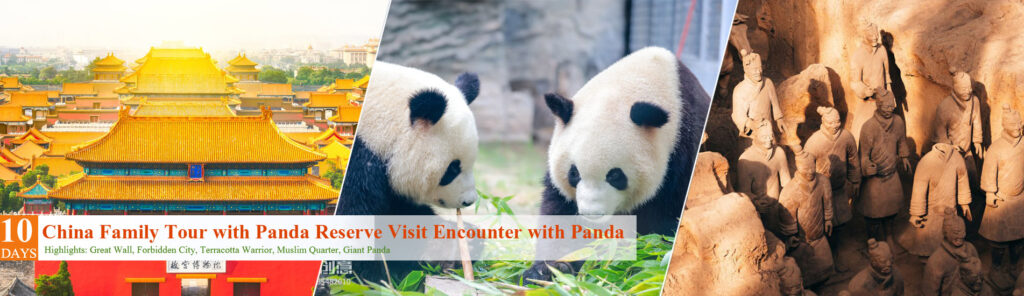
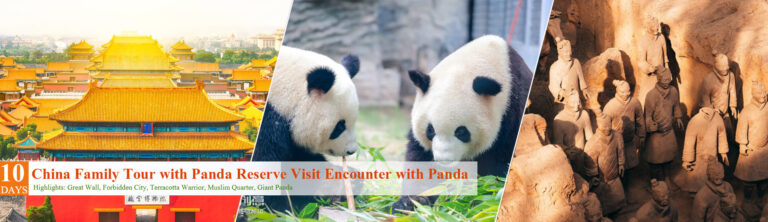
Compare the daily programme for this 10-day route and check the stated transport, visits and included services before requesting a proposal.

Compare the daily programme for this 17-day route and check the stated transport, visits and included services before requesting a proposal.
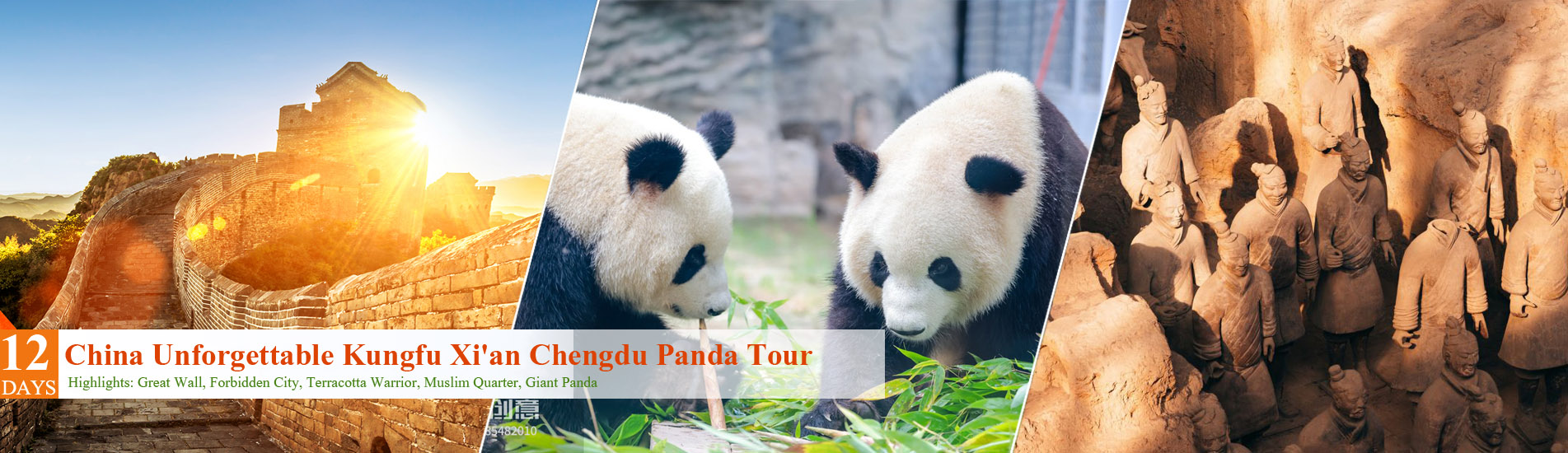
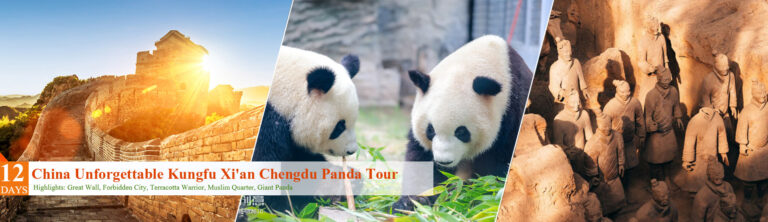
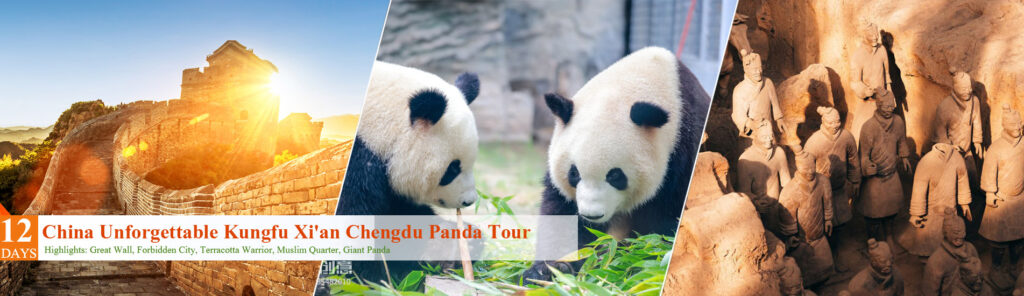
Compare the daily programme for this 12-day route and check the stated transport, visits and included services before requesting a proposal.

Start with the written details rather than a headline or photograph.

Compare the arrangements in each proposal before selecting your preferred option.

Raise any unclear points when sharing your travel plans with us.

Check how historic cities and landscape visits are ordered rather than judging only destination names.

Ask how activities differ between stops and whether their format suits the people travelling together.

Check that proposed rooms and hotel details are clear at each overnight stop on your journey.

Explain the dining styles you prefer and ask how meals are described across the different destinations.

Check the written plan gathers the chosen route and the requests discussed for each destination.
A classic China itinerary is most useful when its major stops match your own priorities. Compare the overnight sequence, transport links and the time allowed in each destination instead of choosing by attraction count alone. Decide where you want an introduction and where you would prefer greater depth. Ask which parts of the published proposal can be adjusted, keeping a realistic distinction between sightseeing time and the days needed to move between places.
Classic China is a broad collection rather than one fixed route. Its examples range from Sichuan and Yunnan highlights to a longer journey naming Tibet, Chengdu and a Yangtze cruise, as well as a kungfu and panda theme. Begin with the destinations and experiences you want to prioritise, then inspect how the selected product connects them.
Review the complete overnight sequence, any major transport changes and the written scope of the programme. Longer duration can mean more destinations rather than more time in each place, so identify the parts where you want depth. Ask for clarification of any named experience that is especially important to you. A final proposal should set out the chosen route and its actual arrangements without implying that all classic China examples offer the same inclusions.
The ten-day Sichuan and Yunnan highlights example concentrates its theme in two regions. Compare its destination sequence with the wider multi-region routes instead of judging only by the classic label.
This seventeen-day example names Tibet, Chengdu and a Yangtze cruise. Review its entire overnight sequence and the arrangements for each segment before comparing it with a more concentrated regional itinerary.
The twelve-day kungfu, Xi'an and Chengdu panda example has a distinct activity and destination theme. Read the named experiences and connections to see whether those priorities match your own.
Share your dates, interests and preferred pace. Use the published itineraries as a starting point, then ask for a proposal with the route and included services clearly stated.
Tailor My Trip

"Planning note: Classic China describes a collection of different routes, not a standard package with identical inclusions."
"Planning note: Compare the destinations and overnight sequence before deciding whether a longer journey gives more depth or simply more stops."
For other ways to shape your journey, compare Top China Tours and Tour Package. Read each published itinerary for its own route and arrangements.
Continue with China Travel Guides or destination overviews, then share your travel plans for a proposal.