Compare Tibet Trekking Routes
Look closely at Tibet trekking itineraries through their walking days, route stages and stated support arrangements, balancing time on the trail with the rest of a longer journey.
Look closely at Tibet trekking itineraries through their walking days, route stages and stated support arrangements, balancing time on the trail with the rest of a longer journey.
Compare Tibet trekking routes by the walking days, travel distances and support described in the itinerary. Review the physical demands, local arrangements and contingency planning with the travel team before choosing a route or requesting dates. The listed route examples range from 9 to 16 days. Start by reviewing 9-Day Tsurphu to Yangpachen Trek Tour Visit Lhasa - Tsurphu Monastery-Leten-Bartso-Dorje Ling Nunne or 9-Day Tibet Trekking Tour Visit Lhasa - Yamdrok Yumtso - Gyangtse - Upper Lungsang -Ngor - - Lhasa. For a proposal matched to your dates and preferences, discuss your China travel plans.

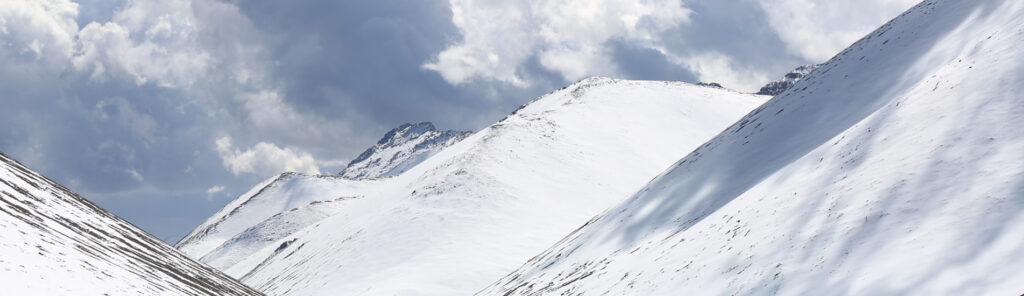
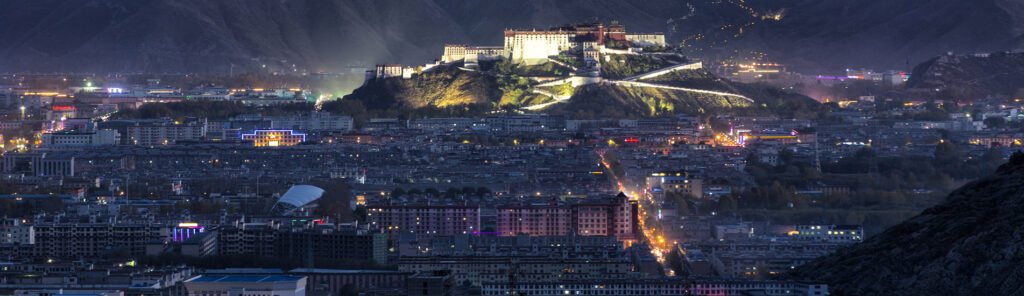
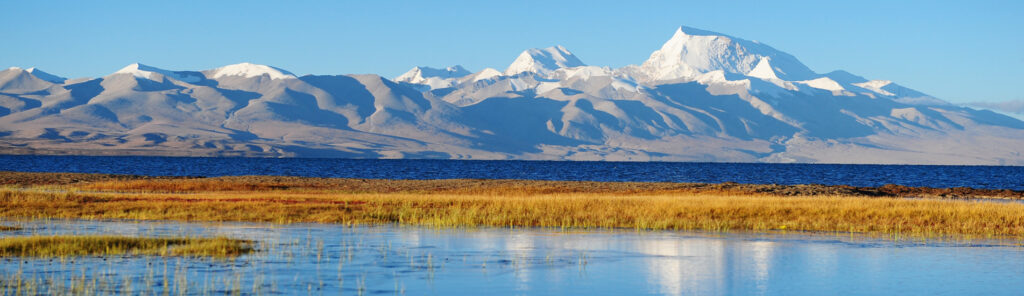
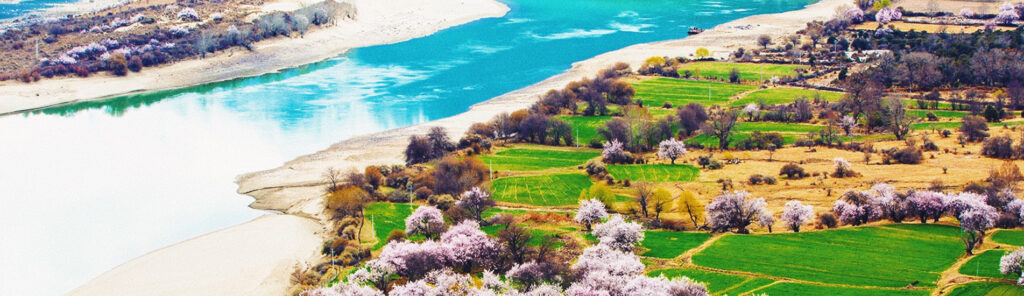

Compare the daily programme for this 9-day route and check the stated transport, visits and included services before requesting a proposal.
Compare the daily programme for this 9-day route and check the stated transport, visits and included services before requesting a proposal.
Compare the daily programme for this 9-day route and check the stated transport, visits and included services before requesting a proposal.

Start with the written details rather than a headline or photograph.

Compare the arrangements in each proposal before selecting your preferred option.

Raise any unclear points when sharing your travel plans with us.

Ask which cultural or landscape visits accompany the walking section in each shortlisted route.

Ask where rest pauses fit on longer stages without assuming the walking schedule is unrestricted.

Ask which equipment or lodging preferences need discussion beyond the support already described.

Share dietary needs and ask what meal arrangements are proposed during the specific trek.

Ask for any accepted alteration and its effect on the remaining programme to appear in writing.
Choose a Tibet trekking proposal by the route detail, not the headline duration alone. Compare the walking described for each day, the overnight arrangements and the support or transport expressly included. Explain your previous experience and preferred pace when discussing the options. Ask how the trekking segment connects with arrival, preparation and onward travel, and clarify optional services before deciding whether the published format matches the kind of journey you want.
Tibet trekking choices should be compared by their actual walking stages rather than their shared total duration. The examples name different routes, including Tsurphu to Yangpachen, Ganden to Samye and a circuit associated with Yamdrok Yumtso and Gyangtse. Trace the intended walking section separately from the transport and sightseeing days surrounding it.
Request clarification of the daily walking, overnight arrangements, support and contingency approach described in your chosen proposal. Share relevant experience and limitations honestly, and seek appropriate professional advice on preparation rather than relying on a product headline. Check which local arrangements and documentation still need confirmation. Before making a decision, review how any adjustment to a walking stage affects the rest of the journey and which services the written offer expressly includes.
Use this nine day example to examine the named Tsurphu to Yangpachen trek and surrounding Lhasa programme. Ask for the walking stages and arrangements stated for this specific route.
The nine day title names Lhasa, Yamdrok Yumtso, Gyangtse and further trekking stops. Read the full sequence and walking descriptions instead of inferring the route from the duration alone.
This nine day title names the Ganden to Samye trek within a wider Lhasa journey. Compare the actual walking section, overnight arrangements and support described with the other trekking examples.
Share your dates, interests and preferred pace. Use the published itineraries as a starting point, then ask for a proposal with the route and included services clearly stated.
Tailor My Trip

"Planning note: Equal total durations do not make two trekking routes equivalent; compare their actual walking stages."
"Planning note: Clarify the stated support and overnight arrangements for your chosen trek before accepting any adjustment to the route."
For other ways to shape your journey, compare Mount Kailash Tours and Tibet Group Tours. Read each published itinerary for its own route and arrangements.
Continue with China Travel Guides or destination overviews, then share your travel plans for a proposal.