Explore Tibet with a Scheduled Group
Compare Tibet group itineraries by route, travel length and planned stops, then confirm departure dates, group arrangements and included services before selecting the journey that suits your plans.
Compare Tibet group itineraries by route, travel length and planned stops, then confirm departure dates, group arrangements and included services before selecting the journey that suits your plans.
Compare Tibet group itineraries by route, duration and the services listed in each plan. Confirm departure availability, group arrangements, entry documentation and the activity level directly in your proposal rather than assuming the flexibility of a private tour. The listed route examples range from 4 to 15 days. Start by reviewing Tibet Overland Group Tour with Lhasa to Kathmandu or Everest Base Camp Group Tour, Tibet Tour Package, small group tour to Tibet. For a proposal matched to your dates and preferences, discuss your China travel plans.



Read the published group programme and check the proposed route, departure arrangements and included shared services before choosing an option.

Read the published group programme and check the proposed route, departure arrangements and included shared services before choosing an option.
Read the published group programme and check the proposed route, departure arrangements and included shared services before choosing an option.

Start with the written details rather than a headline or photograph.

Compare the arrangements in each proposal before selecting your preferred option.

Raise any unclear points when sharing your travel plans with us.

List the places you value most and compare where they appear within each published group programme.

Ask how breaks and activities are organised within the shared programme before judging the daily rhythm.

Share room preferences and ask which arrangements are proposed rather than assuming requests are agreed.

Ask about meals on your group departure without assuming separate dining schedules can be arranged.

Ask which personal requests remain separate from the shared programme and record their status in writing.
Compare Tibet group tours by the published group format, departure arrangements and the day-by-day itinerary. Check what is shared with fellow travellers, which services are included and whether any parts of the proposal are optional. Read the stated daily effort, transport and overnight sequence before deciding which option suits your expectations. Ask the planner to clarify participation arrangements and any requested variations; do not assume a group itinerary offers private scheduling.

Tibet group tours need to be compared as shared departures, not as private itineraries with unrestricted changes. The collection includes different route lengths and themes, including Lhasa, Everest Base Camp, Namtso and an overland connection toward Kathmandu in the named examples. Start by checking the exact programme and where your intended departure begins and ends.
Ask for confirmation of the group departure, availability, meeting arrangements and the services included in that particular offer. Clarify documentation and any border arrangements with the planner rather than assuming they follow from the title. Check how the scheduled visits, overnight stops and daily activity suit your group before committing. If you need an alteration or additional nights, ask whether these can be arranged separately without representing the shared itinerary as fully flexible.
This ten day example sits in the Tibet Group Tours collection. Read its programme and confirm the shared departure arrangements rather than assuming the changes available on a private journey.
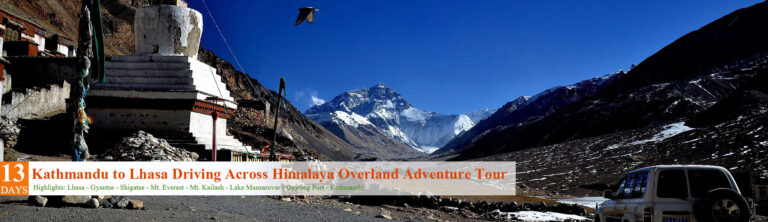
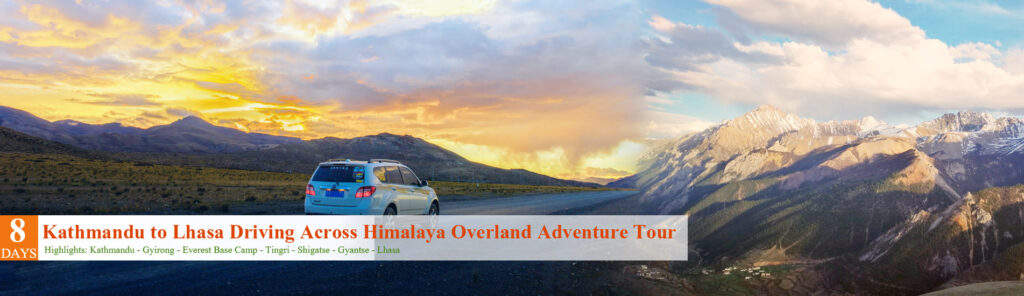
The overland group title names a Lhasa to Kathmandu connection. Confirm the departure, exact route and relevant documentation arrangements in the proposal before planning the rest of your travel.
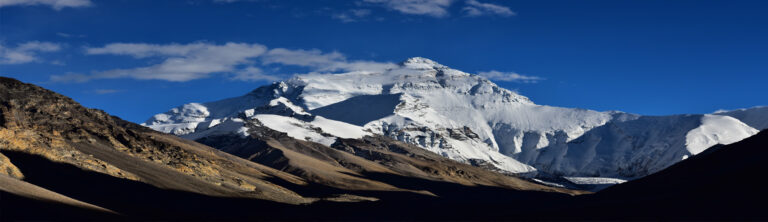
Use this published group tour example to examine the stated Everest Base Camp programme. Ask about the particular departure and shared arrangements without treating the itinerary as fully flexible.
Share your dates, preferred route and number of travellers. Ask us to help compare the published group programmes and clarify the arrangements in a proposal.
Discuss Group Options

"Planning note: These are group tour examples; confirm the shared departure and programme instead of assuming private tour flexibility."
"Planning note: Review the proposed beginning and end carefully when a group itinerary names an onward connection toward Kathmandu."
Compare other route formats through Tibet Train Tours and Tibet Trekking Tours. Confirm the arrangements of the group programme you select; related collections are not interchangeable departures.
Continue with China Travel Guides or destination overviews, then discuss your group travel plans for a proposal.