China Journeys Connected by Rail
Explore six to nine day rail focused journeys linking cities such as Beijing, Xi'an and Shanghai. Compare city order and clarify station transfer arrangements within each individual itinerary.
Explore six to nine day rail focused journeys linking cities such as Beijing, Xi'an and Shanghai. Compare city order and clarify station transfer arrangements within each individual itinerary.
Explore China itineraries connected by high-speed rail. Compare the cities, the sequence of stops and the time needed for hotel-to-station transfers, then discuss seating, luggage and how the rail days fit into the sightseeing schedule. The listed route examples range from 6 to 9 days. Start by reviewing 9 Days Pandas Terracotta Warriors Great Wall Encounter or 8 Days Shanghai Hangzhou Beijing Highlights Tour. For a proposal matched to your dates and preferences, discuss your China travel plans.


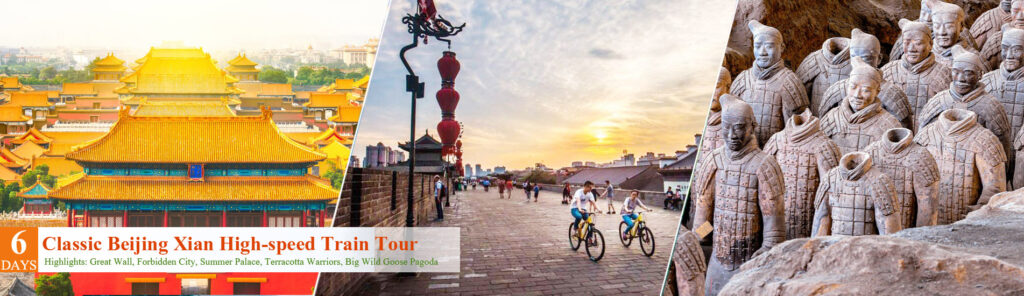
Compare the daily programme for this 6-day route and check the stated transport, visits and included services before requesting a proposal.
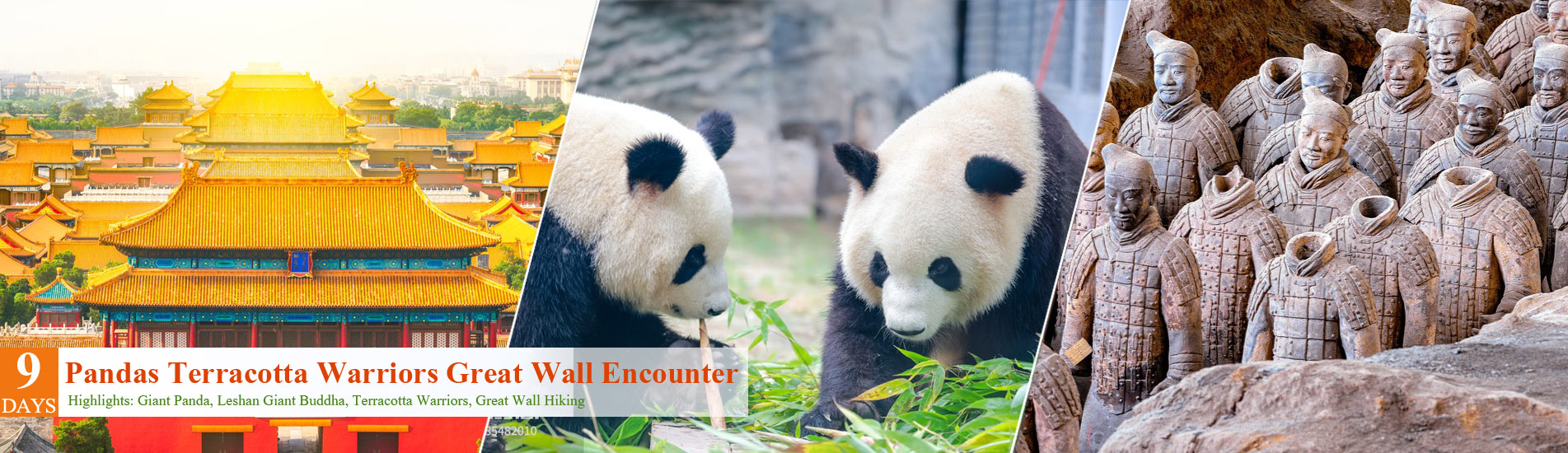
Compare the daily programme for this 9-day route and check the stated transport, visits and included services before requesting a proposal.

Compare the daily programme for this 8-day route and check the stated transport, visits and included services before requesting a proposal.

Start with the written details rather than a headline or photograph.

Compare the arrangements in each proposal before selecting your preferred option.

Raise any unclear points when sharing your travel plans with us.

List your priority visits in each city before deciding how a rail itinerary should connect them.

Ask how morning departures and free periods fit your group's preferred pattern of sightseeing.

Share your preferred hotel style and ask which accommodation is described in each proposal.

Ask where meal time falls on train days and explain dietary preferences before arrangements are agreed.

Keep pending requests separate from confirmed arrangements when reviewing the latest written proposal.
A high-speed train itinerary should be compared as a complete journey, not simply by its rail connections. Check which city pairs use the train, how station transfers are arranged and what time remains for sightseeing around those travel days. Ask for the proposed seat class and handling of luggage or station assistance if relevant to your group. Confirm these details in the final proposal rather than inferring them from the category name.
A high-speed rail theme describes one important aspect of a trip, not the entire travel arrangement. The published examples connect different destinations, including Beijing and Xi'an, a panda-and-history route, and Shanghai, Hangzhou and Beijing. Begin by identifying the city sequence in the selected programme and the connections that are specifically described as rail travel.
Ask for the proposed seat class, station endpoints and arrangements before and after the train journey. Explain any luggage, mobility or family requirements relevant to those connections, and request clear confirmation of what is included. Review sightseeing on travel days alongside the transport plan rather than assuming a short train journey means a full day available for visits. The written proposal should make the rail and non-rail portions equally understandable.
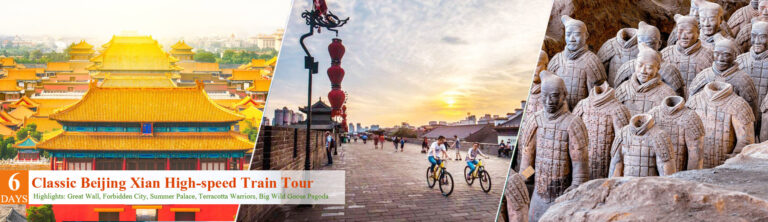
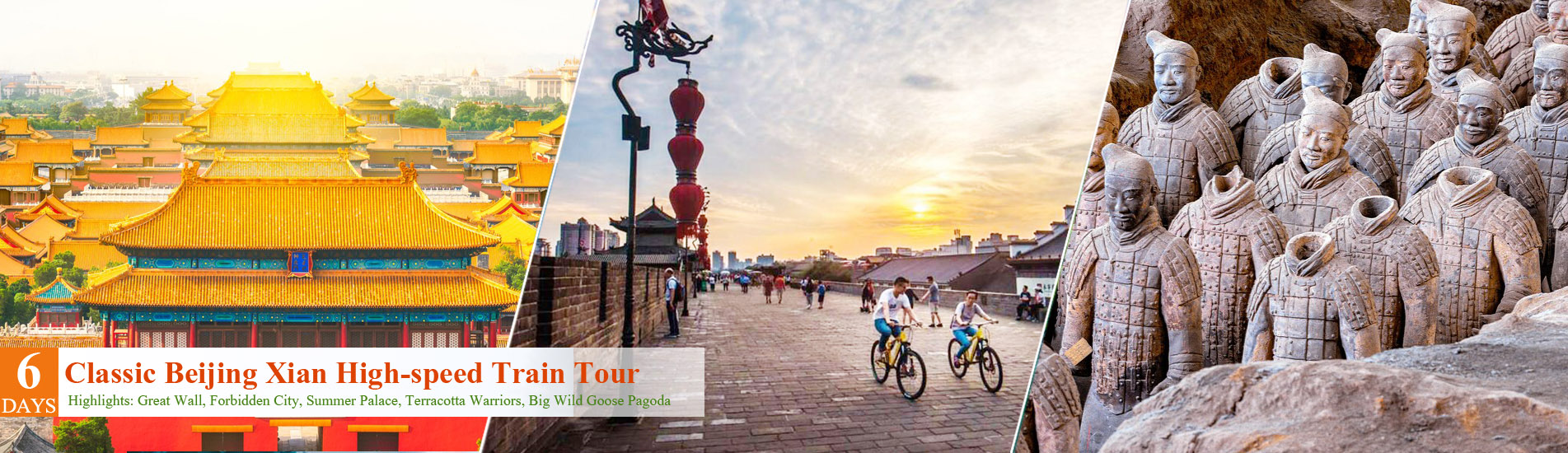
This six-day classic Beijing and Xi'an example names high-speed rail as its theme. Check the proposed connection and station transfers alongside the sightseeing programme to assess the complete journey.
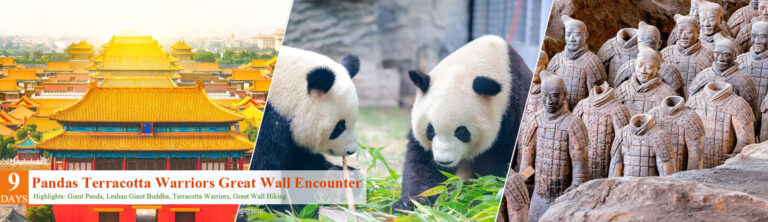
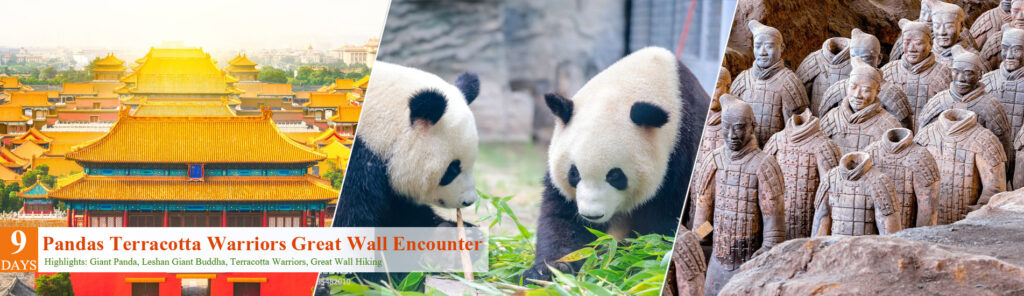
The nine-day panda, Terracotta Warriors and Great Wall example combines several interests. Review the full destination sequence and identify the rail connections explicitly described in the itinerary before comparing shorter options.
This eight-day example names Shanghai, Hangzhou and Beijing. Read how the route connects those cities and confirm the relevant rail arrangements rather than assuming every journey segment uses the same transport.
Share your dates, interests and preferred pace. Use the published itineraries as a starting point, then ask for a proposal with the route and included services clearly stated.
Tailor My Trip

"Planning note: Confirm the named rail segments and station transfers; a rail-themed category does not mean every connection is by train."
"Planning note: Compare the whole travel day, including the journeys to and from stations, when reviewing the sightseeing schedule."
For other ways to shape your journey, compare Beijing Shanghai Tours and Beijing Xian Tours. Read each published itinerary for its own route and arrangements.
Continue with China Travel Guides or destination overviews, then share your travel plans for a proposal.