Mount Kailash and Western Tibet Routes
Compare longer journeys through western Tibet, linking Mount Kailash with Ngari, Guge and plateau lakes while considering the balance between driving stages, walking days and time on route.
Compare longer journeys through western Tibet, linking Mount Kailash with Ngari, Guge and plateau lakes while considering the balance between driving stages, walking days and time on route.
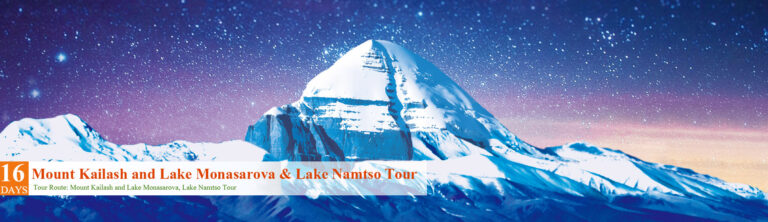
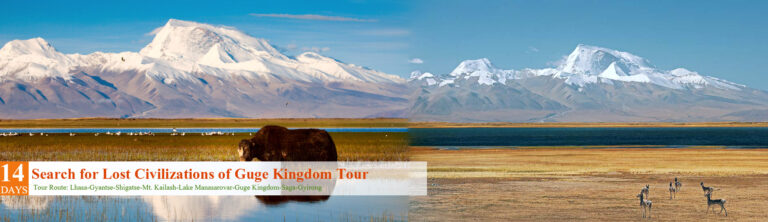
Compare Mount Kailash itineraries by route, duration, trekking demands and the travel days needed to reach the area. Review the exact services and local arrangements in the proposal, and discuss your preparation and itinerary suitability before committing. The listed route examples range from 10 to 16 days. Start by reviewing 16 Days Mount Kailash and Lake Monasarova & Lake Namtso Tour or 14 Days Search for Lost Civilizations of Guge Kingdom. For a proposal matched to your dates and preferences, discuss your China travel plans.
Compare the daily programme for this 16-day route and check the stated transport, visits and included services before requesting a proposal.

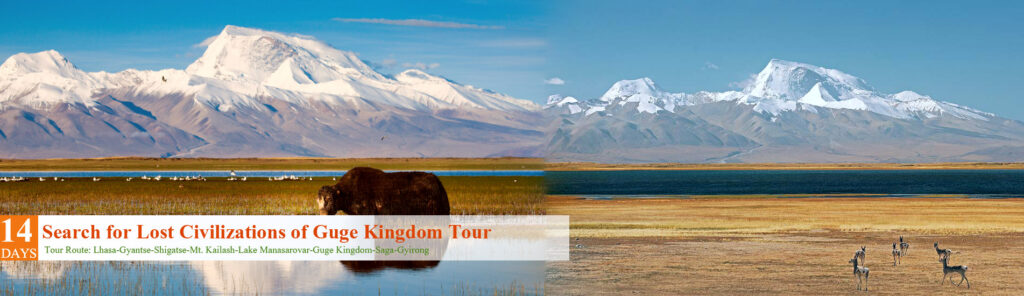
Compare the daily programme for this 14-day route and check the stated transport, visits and included services before requesting a proposal.
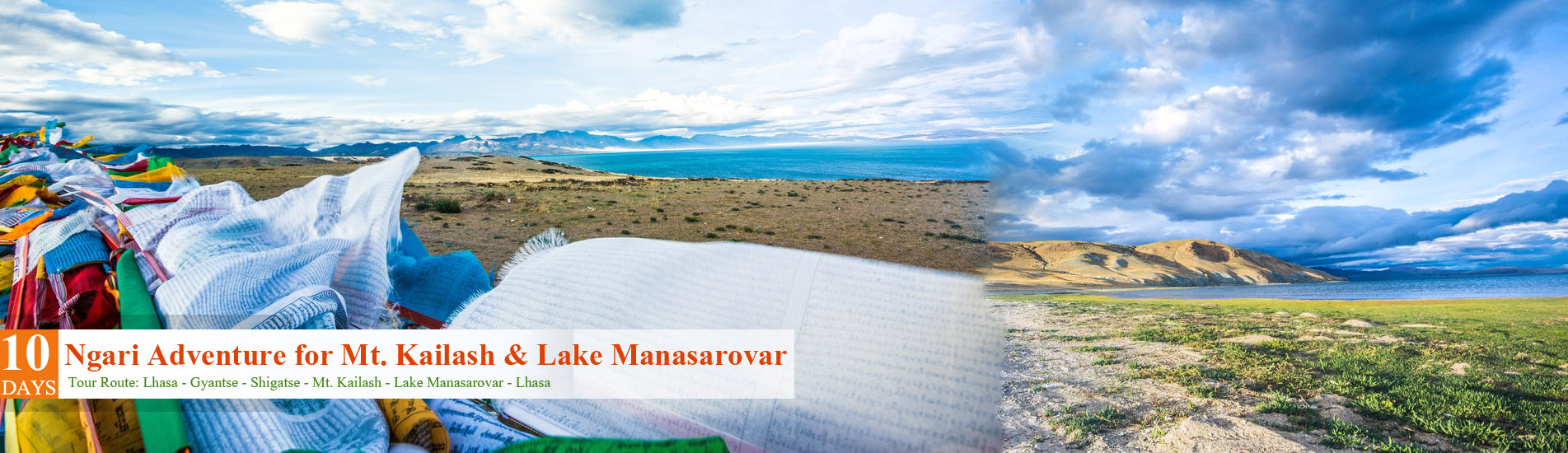
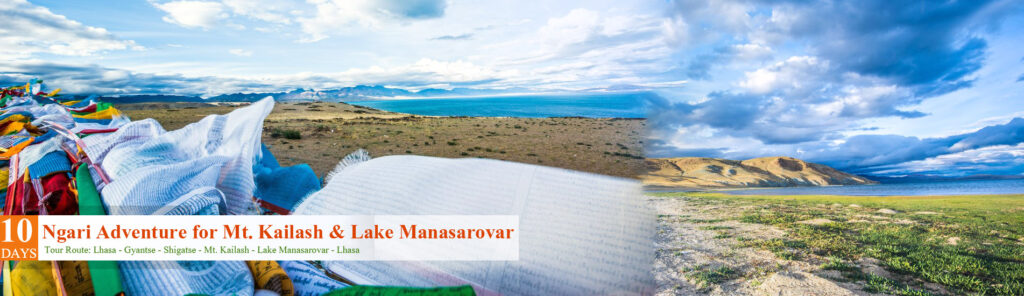
Compare the daily programme for this 10-day route and check the stated transport, visits and included services before requesting a proposal.

Start with the written details rather than a headline or photograph.

Compare the arrangements in each proposal before selecting your preferred option.

Raise any unclear points when sharing your travel plans with us.

Decide which named lakes or historical interests deserve attention before comparing the detailed routes.

Clarify where breaks are described within longer days without assuming the programme can change freely.

Ask which lodging or equipment preferences need discussion beyond the core route already described.

Explain dietary preferences and ask what meal arrangements are described for the particular route.

Keep unresolved route questions visible in the final written plan rather than treating them as agreed.
Read Mount Kailash proposals closely for the route format, overnight sequence and the walking described on each day. Compare the physical effort and support arrangements stated in the itinerary rather than relying on the journey title. Explain your group's experience and preferred pace when discussing options. Ask which services and transport are included, and have the planner clarify any unclear arrangements before you decide whether a particular proposal is a suitable match.
Mount Kailash proposals require attention to the entire journey, not only the destination in the headline. The published choices name different combinations of lakes, western Tibet locations and historical interests. Make a simple list of the overnight stops and the activities expressly described, keeping travel days separate from any days allocated to walking or exploration.
Ask the planner to explain the daily effort, accommodation and support arrangements stated for your chosen route. Discuss documentation, local access arrangements and preparation with the relevant professionals rather than treating a sample itinerary as confirmation. If any stage is unsuitable for your group, ask how that affects the remaining sequence. An agreed written plan should identify what is included and what still requires confirmation for your intended dates.
Use this sixteen day title to examine a route combining Mount Kailash with two named lakes. Compare the overnight sequence and stated activities with the shorter western Tibet options.
The fourteen day proposal highlights a Guge Kingdom theme. Open the itinerary to compare its historical focus, travel stages and stated arrangements with the other Mount Kailash collection examples.
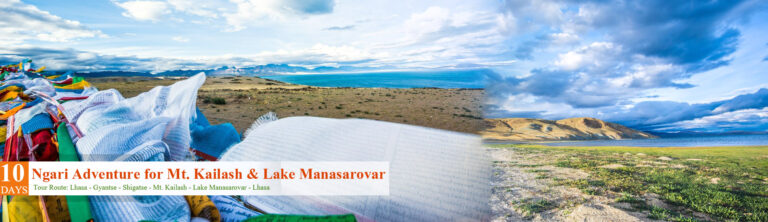
This ten day title names Ngari, Mount Kailash and Lake Manasarovar. Check how the detailed programme distributes travel and exploration time before treating it as an alternative to longer routes.
Share your dates, interests and preferred pace. Use the published itineraries as a starting point, then ask for a proposal with the route and included services clearly stated.
Tailor My Trip

"Planning note: A Mount Kailash headline does not describe every travel stage; review the complete route and stated arrangements."
"Planning note: Discuss preparation, walking and local access with the appropriate professionals before treating any sample programme as suitable for your group."
For other ways to shape your journey, compare Tibet Group Tours and Tibet Trekking Tours. Read each published itinerary for its own route and arrangements.
Continue with China Travel Guides or destination overviews, then share your travel plans for a proposal.